Installing Linux

There are a number of points to consider when installing Linux, especially on Chrome OS Flex.

Chrome OS Flex

Linux needs more than 4GB of RAM to run on Chrome OS Flex. It is a good idea to turn on Intel VT in the BIOS too, though I have not seen that mentioned anywhere. Most Flex users will have at least 256MB of SSD storage, so that will probably be less of an issue.

Disk size

The default disk size is 10GB, which is a good amount to begin with. It is very easy to change it later, so it is should not something you should beat yourself up about. You can share folders with Linux, but that will impact on performance.

What you get
Terminal

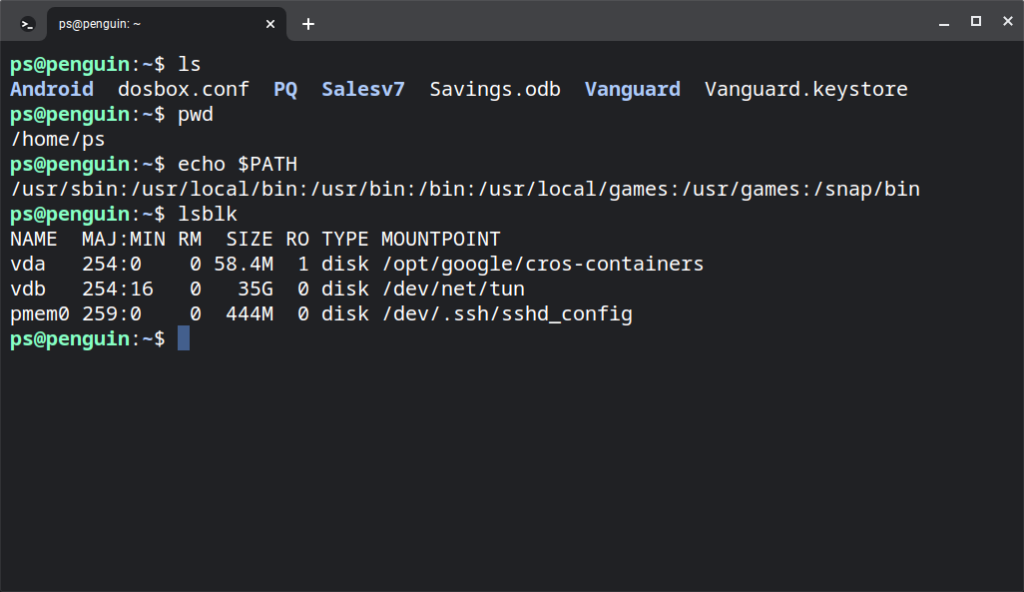
All you end up with is an app called Terminal, which allows you to run Linux commands commands. You do not get a desktop, or any kind of visual interface. This makes it difficult to explore Linux, if you are not familiar with it.
Memory Leaks

An app leaks memory when it allocates memory and fails to release it. Memory leaks afflict all operating systems, including Chrome OS. Eventually performance deteriorates to such an extent that the device has to be rebooted, which for a Chromebook is mercifully quick.

Diagnostics app

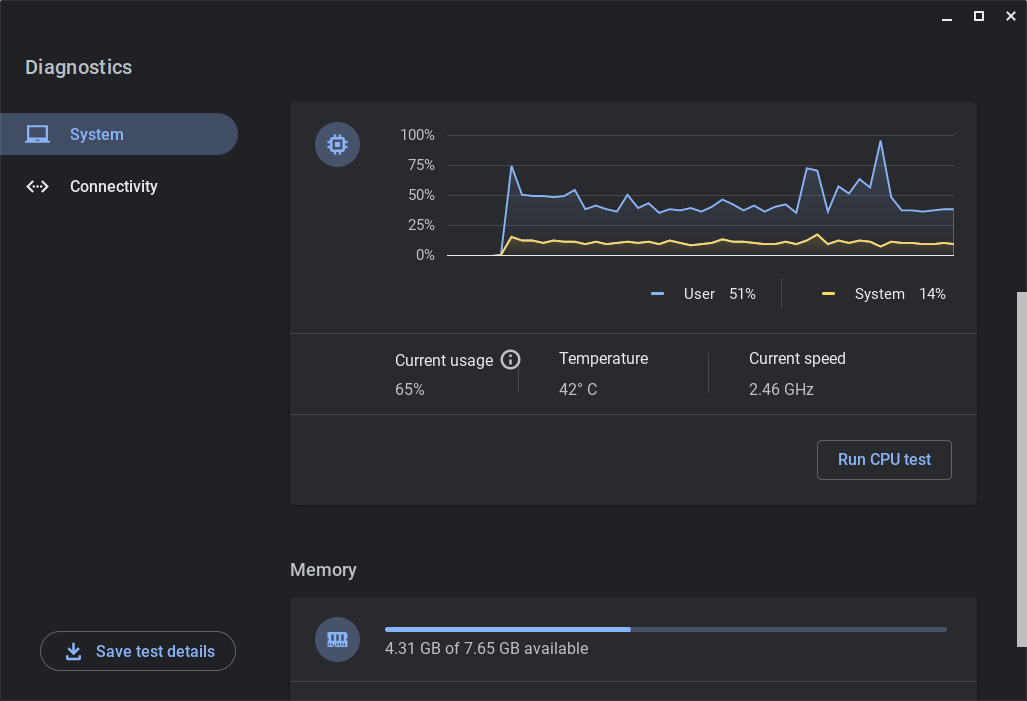
Chrome OS has a built in Diagnostics app, which can be used to monitor performance. It won’t fix memory leaks, but it will tell you how much memory you have left. It will tell you when it is time to reboot, and with a little trial and error it may help you avoid practices that leak a lot of memory.

About Chrome OS

About Chrome OS

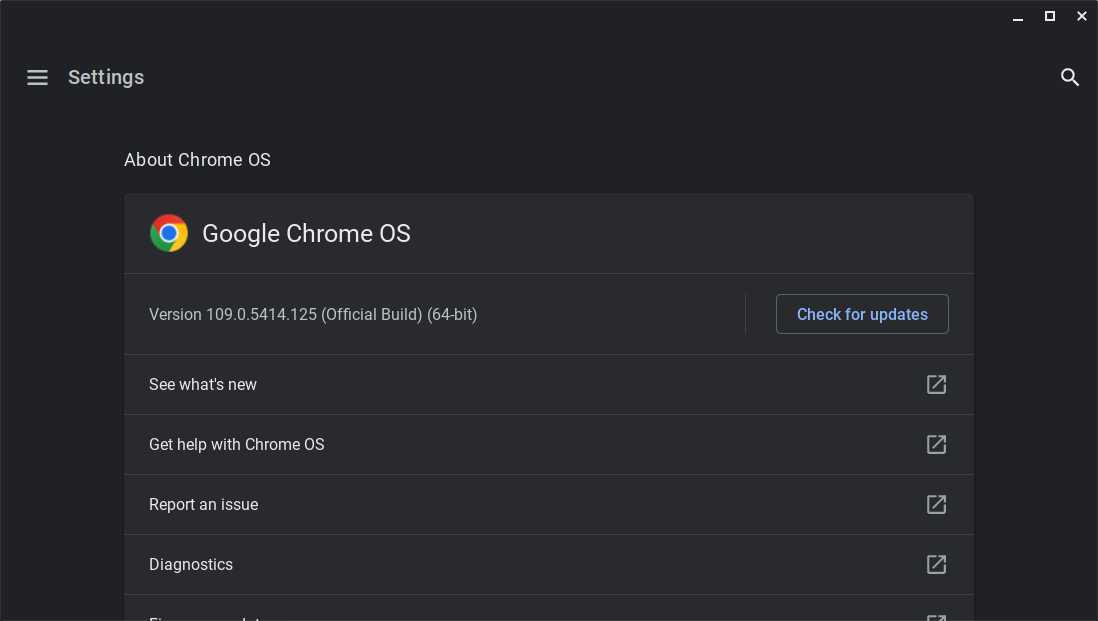
To get to the About Chrome OS section of Settings:

  1. At the bottom right of the screen, select the timeand then Settings .
  2. At the bottom left of the app, select About Chrome OS.

This section is usually used to check for updates to Chrome OS. but you can also slect the Diagnostics option.

Diagnostics app

At this point you might want to pin the app to the shelf, because it does not appear in the Launcher. To use it to monitor performance, adjust the display as shown above.

Task Manager

Task Manager

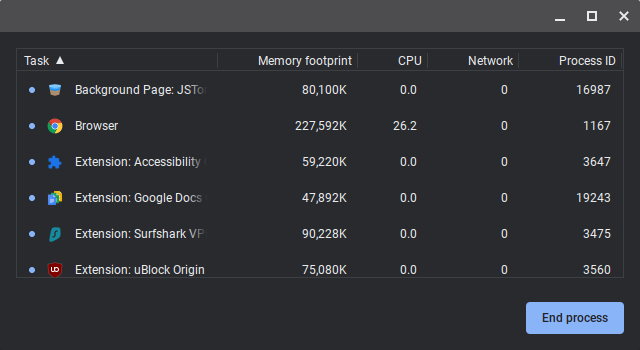
Another useful tool is the Task Manager. It tells you how much memory and CPU time is being used by each individual app, and allows you to end them. Each browser tab is listed separately, which is useful.

The Task Manager can be launched by right clicking on the title bar of any app, and selecting the Task Manager option. Alternatively, hold down the Search key (or Windows key in chromeOS Flex) and press Escape.